

To be fair: this has been a tough one. But, there’s more work to do.
Usually by now, the snowbanks would have shrunk into slush piles and we would have all moved on. But not this year. While the media has been more focused on parking chairs, we’re thinking about people who get around via walking, biking, and transit; these winter conditions have been challenging to say the least.
After our historic 16-inch snowfall on January 25, 2026, followed by over a week of deep freeze, it’s now about to be the 2nd week of February and the snow hasn’t really budged. Instead, it has buried sidewalks, covered bus stops, swallowed bike lanes, and turned everyday trips into chilly, slippy obstacle courses.
And if you’re someone who uses a wheelchair, a mobility device, or has other mobility needs, it is still near impossible to leave your house.
In a typical winter, a few sunny days would have helped reset the system. But this year, the problems have compounded as each pass of the snow plow pushes the banks of snow around without really solving the problem– because there’s really no “good” place for the snow to go.
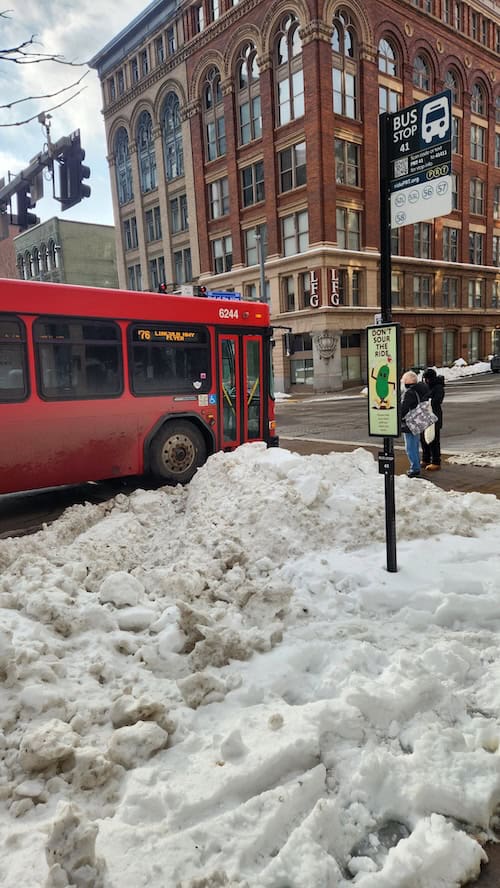
As crosswalk cutouts disappear, bus stops become tall snow embankments, and our few plowed bike lanes become impromptu parking lanes, this year we’re really seeing that when the snow sticks around, mobility simply breaks down.
You might say these challenging conditions are truly “unprecedented”
The last time we saw snow like this, our roads looked very different. For example, back when “Snowmageddon” hit in 2010, Pittsburgh barely had any bike lanes, as our modern network was just getting started.
Today, thousands more people rely on walking, biking, and transit every day, so when snow buries this vital infrastructure, we now have a citywide access issue.
Here’s what we’re seeing
Over the past few weeks, we’ve taken photos and heard from neighbors documenting these problematic conditions.
Even “sneckdowns,” the snow outlines that show how little space cars actually need on our streets, tell a complicated story. While sneckdowns reveal opportunities to reclaim space back from cars, they have also shown how quickly bike and pedestrian space disappears when maintenance isn’t prioritized.
Sixteen inches, freezing temps, and nowhere to put the snow would challenge any city. Snow plows can’t magically create more space. Crews are working long hours to physically remove snow by the truck full. And our narrow streets simply make everything harder. But “hard” doesn’t mean that we stop trying, it means we need to get smarter and more intentional about the clean up.
Here are some problems we’ve seen from the recent snowstorm, in the hopes that documenting them will help us all prepare for the next response, and continue to help each other clean up the mess to get people moving again.
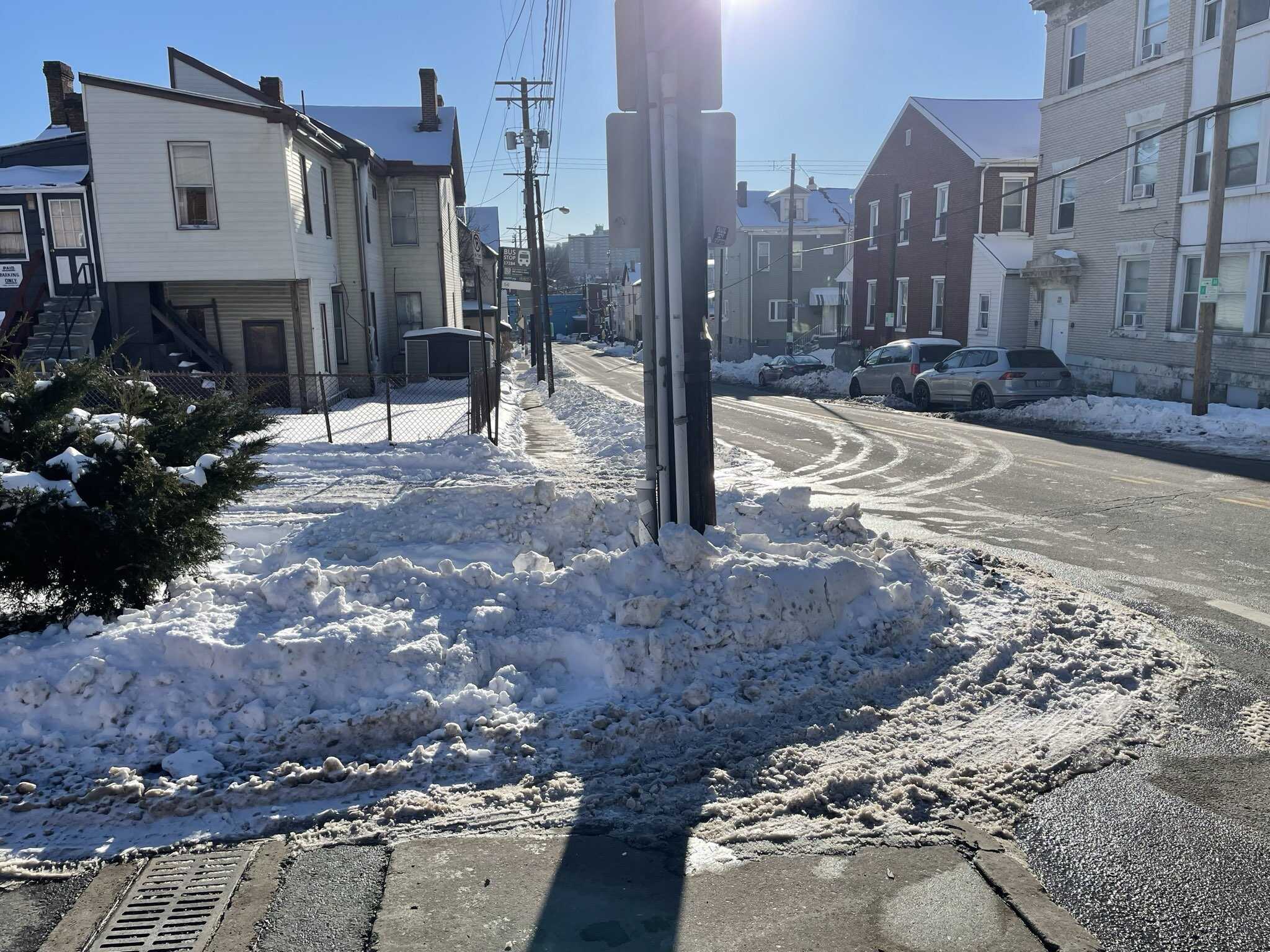
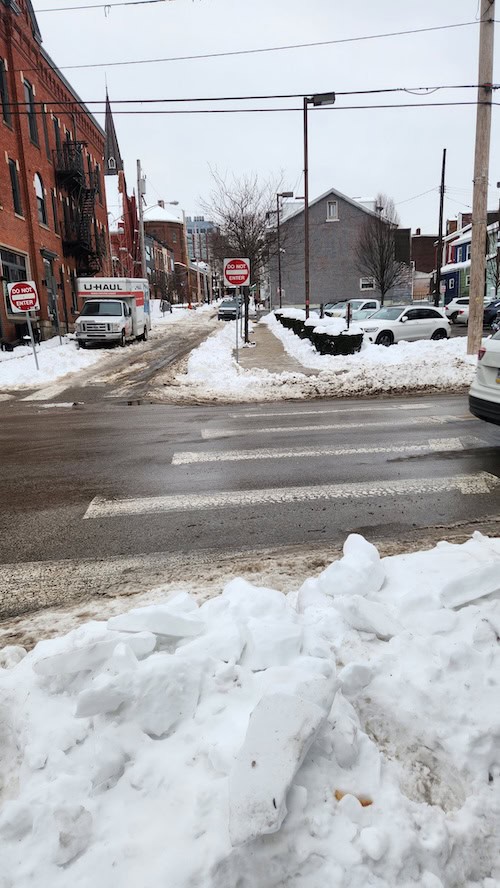
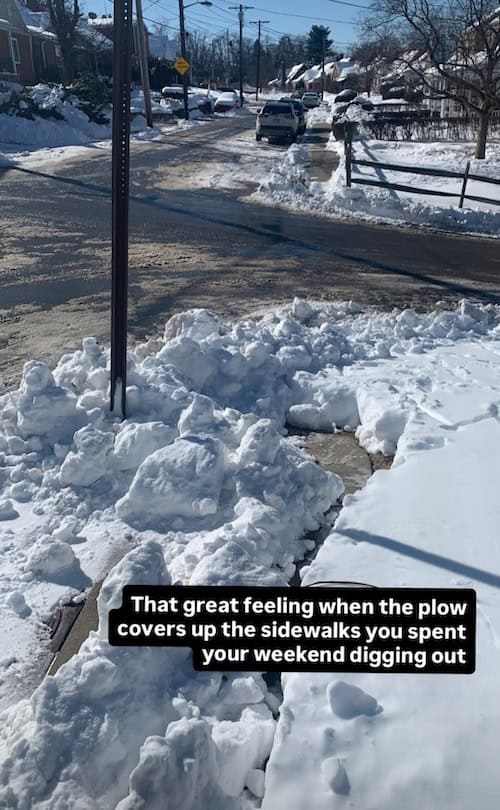
➨ Plowing snow into bike lanes, sidewalks, and parking lanes makes them unusable
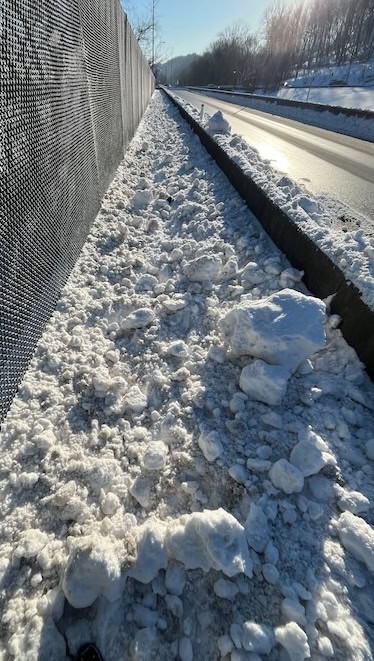
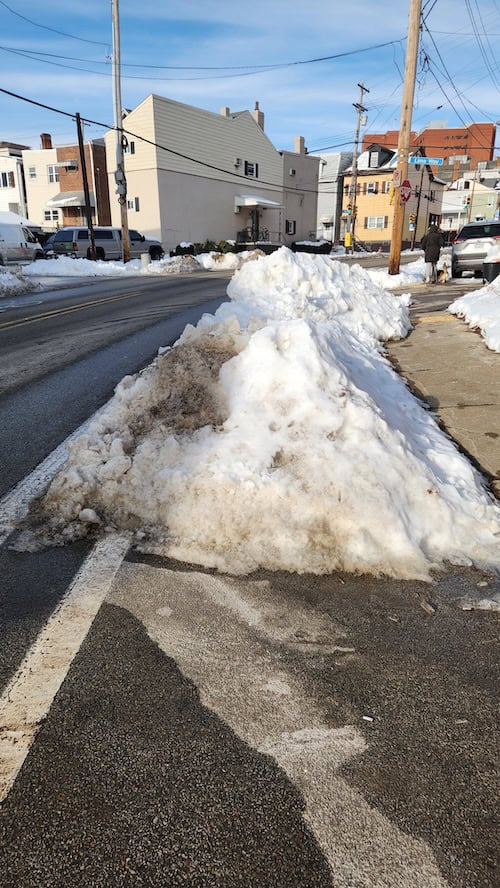
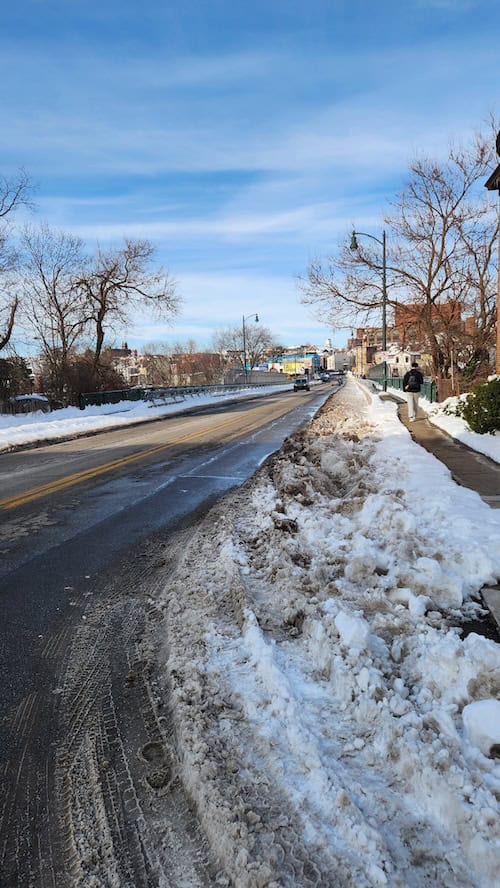
➨ Untouched bike lanes and sidewalks limit mobility options
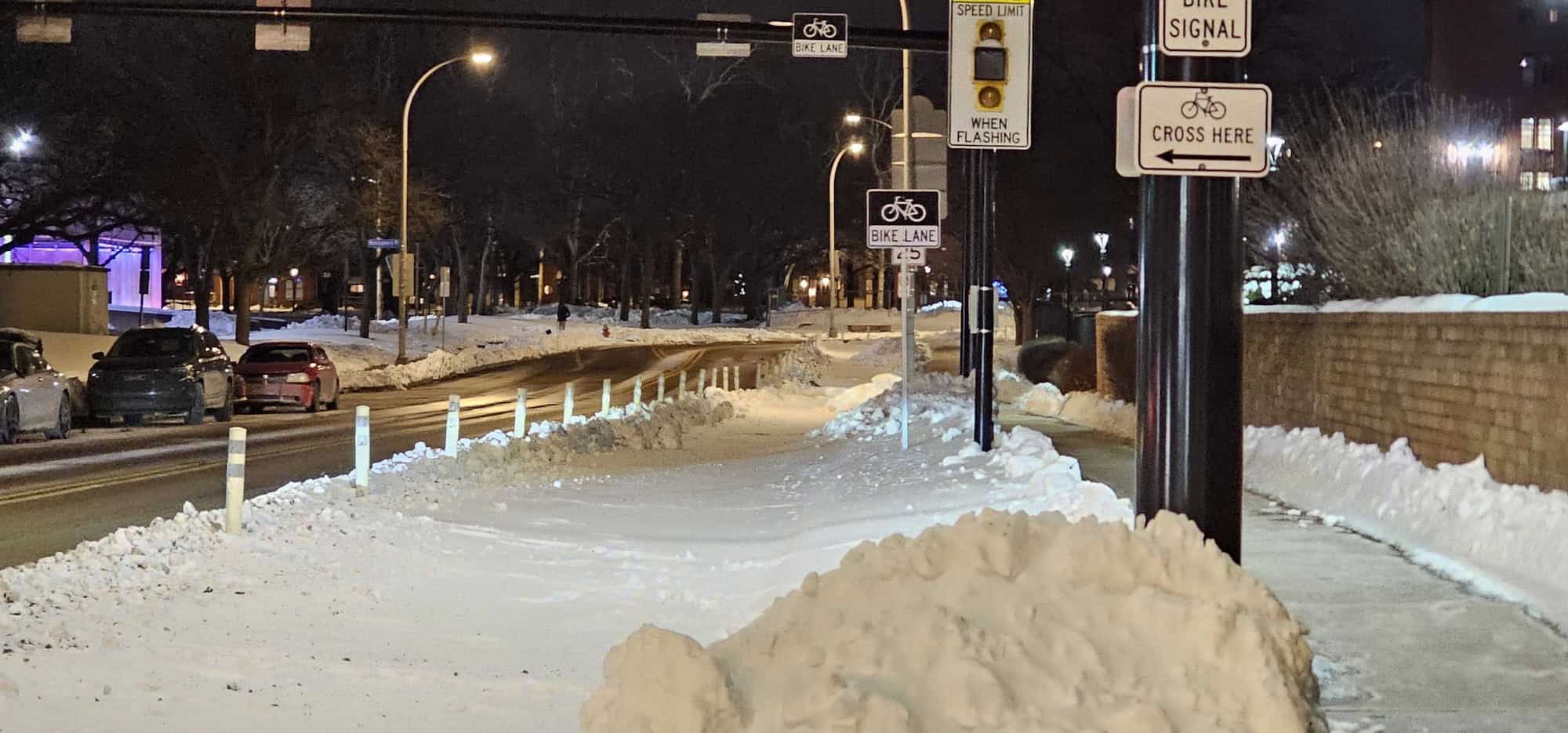

➨ Plowing the streets can block curb cuts, bus stops, and crosswalks, harming people with mobility challenges and needs
There’s hope. Here’s what you can do
While we push for systemic fixes, neighbors can help as well. Sometimes, the best way to keep us safe is for us to keep us safe.
Residents all over the city have banded together to help get Pittsburgh moving again. We’ve heard countless stories about how people met their neighbors for the first time by helping make their neighborhood walkable again. The media tends to focus on the shape of the roads for automobiles, but the real heroes are the neighbors who are spending their time cleaning sidewalks, curb cuts, and bus stops for each other.
➨ Shovel sidewalks that everyone uses
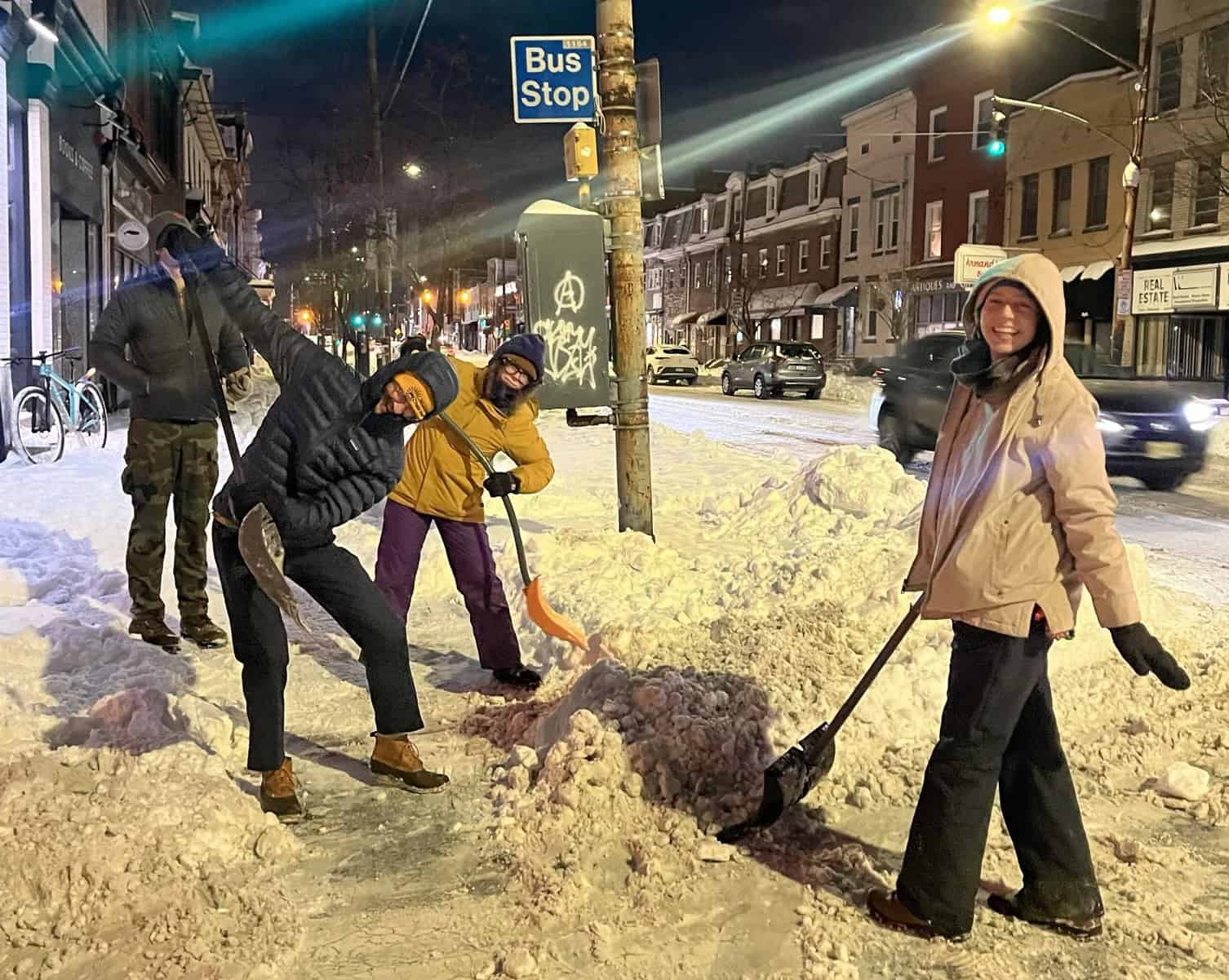
➨ Clearing curb cuts will help get business districts going again

➨ Clear a path to your neighborhood bus stop
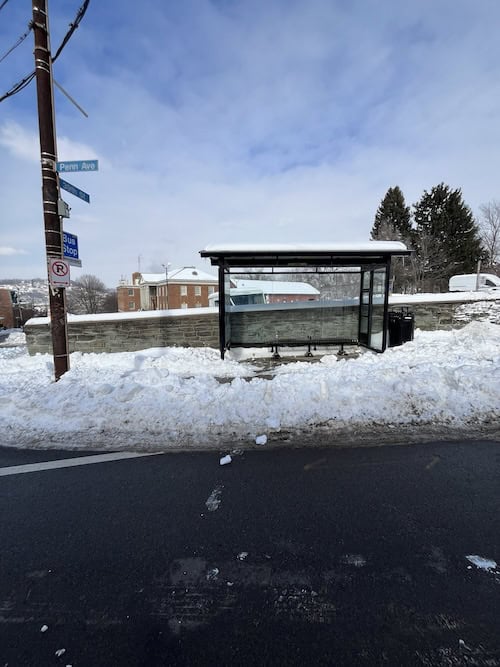

➨ Sign up to help a neighbor shovel their sidewalks.
- Report hazardous spots to 311 – Here’s how
- Check out the City of Pittsburgh Snow Angels program
- The Pittsburgh Center for Disability Justice is looking for areas in need of attention and volunteers to help clear the snow. Check out their facebook page for more info.
- REQUEST a PUBLIC area be cleared
- Sign up to HELP CLEAR specific areas that community members have asked for help with
 NEWSLETTER